
Problems Caused by an Un-encapsulated Crawl Space
- Justin Birtwell
- Dec 2, 2025
- 5 min read

Updated: Jan 24
# The Hidden Dangers:
One of the most common issues I encounter in older homes—or even some newer ones—is an unencapsulated crawl space. For the uninitiated, a crawl space is that shallow area beneath your home, typically 1-3 feet high, providing access to plumbing, electrical, and HVAC systems. "Unencapsulated" means it's open to the elements: no vapor barrier on the ground, no sealed walls, and vents that let in outside air.
The standard building practice was to keep the crawlspace ventilated similar to the standard for attics. However modern building science shows that ventilated crawlspaces often create more problems than they solve. Moisture seeps in from the soil, air flows uncontrolled, and critters find easy entry. The result? A host of issues that can compromise your home's structure, health, and wallet. In the past 30 years there is a general consensus that the best solution is to encapsulate crawlspaces instead.
In this post, I'll outline the major problems, backed by real-world examples from inspections and industry insights. If you're a homeowner, buyer, or seller, understanding these risks could save you thousands.
Moisture Mayhem: The Root of Most Evils
The biggest villain in an un-encapsulated crawl space is moisture. Soil naturally releases water vapor, and without a vapor barrier (a thick plastic sheet sealed to the ground and walls), humidity levels can skyrocket—often exceeding 70-80% in humid climates like the Northeast. This creates a perfect breeding ground for mold and mildew, which thrive in damp, dark environments.
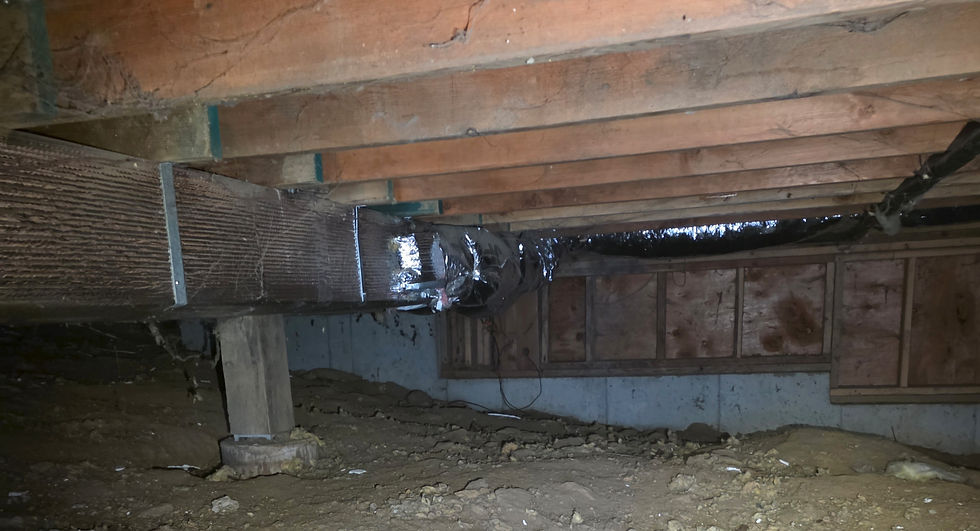
Mold isn't just unsightly; it's destructive. It feeds on organic materials like wood joists and subflooring, leading to rot and weakening your home's foundation. During one inspection in Fairfield County, I found extensive black mold covering the floor joists in an unencapsulated space. The homeowners had no idea until they noticed a musty smell upstairs. According to experts, damp crawl spaces can lead to health problems like wheezing and coughing from mold spores infiltrating living areas through air leaks.
Beyond mold, high moisture causes wood to swell and contract, resulting in sagging floors or creaky boards. In severe cases, it invites wood-destroying organisms like fungi, which can reduce structural integrity over time. The EPA estimates that uncontrolled moisture in crawl spaces contributes to billions in annual repair costs nationwide.
Pest Paradise: Inviting Unwanted Guests
An open crawl space is like a neon sign for pests: "Free Shelter Here!" Vents, gaps in foundation walls, and uncovered dirt floors provide easy access for rodents, insects, snakes, and even larger animals like raccoons. Mice and rats chew through insulation, wiring, and pipes, creating fire hazards from exposed electrical cables. Termites, drawn to moist wood, can silently devour support beams, costing $5,000-$10,000 in treatments.

In my experience, pest infestations are rampant in unencapsulated spaces. One Hartford home I inspected had a family of squirrels nesting in the insulation, shredding it to bits and leaving droppings everywhere. These droppings not only stink but can carry diseases like hantavirus. Spiders, ants, and cockroaches also flourish, migrating upward into your home through tiny cracks.
Without encapsulation, preventing pests is an uphill battle. Sealing vents and adding barriers during encapsulation drastically reduces entry points, but leaving it open means ongoing pest control bills—averaging $150-300 per visit.
Energy Inefficiency: Draining Your Wallet and Comfort
Think your energy bills are high? Blame the crawl space. Unencapsulated ones act like giant air leaks. Cold winter air enters through vents, chilling floors and forcing your HVAC system to work overtime. In summer, hot, humid air infiltrates, making your AC struggle. This "stack effect" pulls conditioned air from your home downward, replacing it with unfiltered outside air.
Studies show homes with vented crawl spaces can lose up to 20% of their heating and cooling efficiency. Insulation in these spaces often sags or gets damaged by moisture and pests, exacerbating the problem. I've measured temperature differences of 10-15 degrees between the crawl space and living areas in uninsulated homes, leading to drafty rooms and uneven comfort.

Encapsulation, with insulated walls and a sealed barrier, turns the crawl space into a semi-conditioned area, potentially cutting energy costs by 15-25%. Without it, you're essentially heating or cooling the outdoors.
Structural and Foundation Threats
Over time, the cumulative effects of moisture and pests erode your home's foundation. Hydrostatic pressure from wet soil can cause cracks in concrete walls, allowing more water in—a vicious cycle. In areas with expansive clay soils, like parts of Connecticut, fluctuating moisture levels lead to shifting foundations, manifesting as sticking doors, cracked walls, or uneven floors upstairs.
Tree roots, seeking water, can invade the space, wrapping around pipes or pushing against walls. During inspections, I've seen roots cracking plumbing lines, leading to leaks that further saturate the soil. Radon gas, a naturally occurring carcinogen, also seeps more easily through unsealed floors, posing long-term health risks. The CDC notes that radon is the second-leading cause of lung cancer, and unencapsulated crawl spaces amplify exposure.
Health Hazards: Breathing in the Bad Stuff
Your crawl space isn't isolated—air from below rises into your home. Mold spores, dust mites, allergens, and volatile organic compounds (VOCs) from decaying materials can trigger asthma, allergies, or respiratory issues. In damp conditions, bacteria and fungi release mycotoxins, which studies link to chronic fatigue and immune problems.

Pest droppings and urine add allergens, while standing water breeds mosquitoes carrying West Nile virus. For families with children or elderly members, these risks are amplified. One client in New Haven reported persistent allergies until we traced them to a moldy crawl space.
Encapsulation includes dehumidifiers and air seals to mitigate this, improving indoor air quality dramatically.
Financial Fallout: The Cost of Inaction
The problems compound into hefty expenses. Minor fixes like mold remediation start at $500, but full structural repairs can hit $20,000+. Energy waste adds $200-500 annually to bills. Pest control and insulation replacements pile on. For sellers, an unencapsulated crawl space can scare off buyers or slash offers by 5-10%.
In contrast, encapsulation costs $3,000-8,000 but pays for itself in 5-7 years through savings and increased home value. It's an investment in longevity.
Wrapping It Up: Time to Encapsulate?
An unencapsulated crawl space is a silent saboteur, fostering moisture, pests, inefficiency, structural woes, and health risks. As a home inspector, I recommend annual checks and considering encapsulation—especially in humid regions. It involves installing a vapor barrier, sealing vents, insulating walls, and adding a dehumidifier for a dry, controlled environment.
If you hear scurrying, smell mustiness, or notice high bills, get a professional inspection. Prevention beats cure. Your home—and health—will thank you. Contact me at 203-489-2323.
Maxim Home Inspections offers many types of inspections near Newtown CT (western Connecticut service area) including local home inspections, radon testing, mold inspections, termite inspections, , septic inspections and well inspections just to name a few. . If you'd like to have your home inspected you can get a quote an even schedule a home inspection with me you local home inspector.

Comments